
Robotics: Expanding the Boundaries of What’s Possible
Robotics is rapidly transforming our world, pushing the boundaries of what was once considered science fiction into the realm of everyday reality. From automating complex manufacturing processes to assisting in delicate surgical procedures, robots are proving themselves increasingly versatile and capable. While the statement “Robotics can do anything” might be a slight exaggeration, the truth is that the field’s potential is virtually limitless, and the advancements being made daily are staggering. Let’s explore the multifaceted applications of robotics and delve into the fascinating possibilities that lie ahead.
Revolutionizing Industries: Robotics in Action
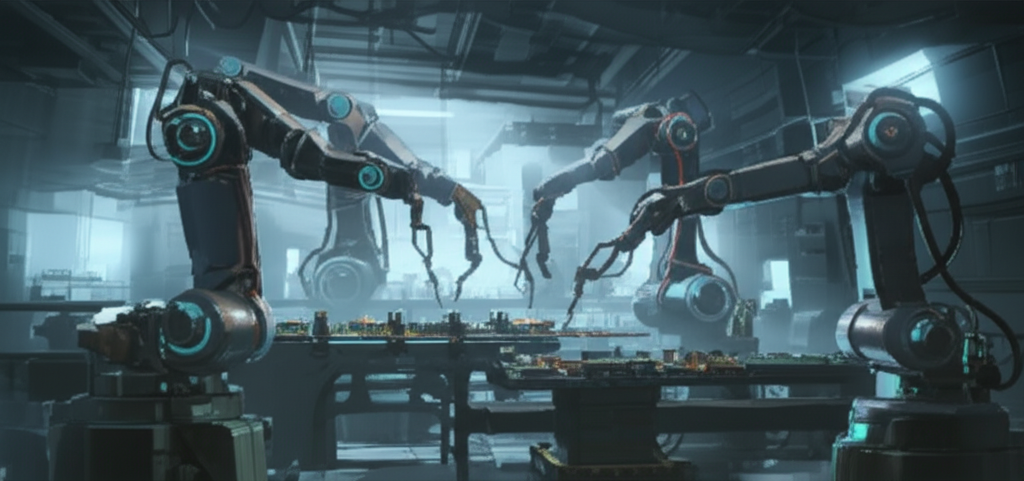
The impact of robotics is already profoundly felt across various sectors. Manufacturing, perhaps the most obvious beneficiary, has witnessed a dramatic increase in efficiency and productivity thanks to robotic automation. Repetitive tasks, previously performed by human workers in often hazardous environments, are now handled swiftly and precisely by robots, minimizing errors and improving safety. This includes tasks like welding, painting, and assembly line operations, allowing human workers to focus on more complex and creative aspects of the production process.
Beyond manufacturing, the healthcare industry is experiencing a revolutionary shift thanks to the integration of robotics. Surgical robots, with their enhanced dexterity and precision, enable surgeons to perform minimally invasive procedures with greater accuracy and control, leading to faster recovery times and reduced patient trauma. Rehabilitation robots are also making strides, aiding patients in regaining mobility and strength after injuries or strokes. Furthermore, robots are being deployed in hospitals to deliver medications, sterilize equipment, and monitor patients, freeing up valuable time for medical staff.
The agricultural sector is also benefiting from advancements in robotics. Autonomous robots are being used for tasks such as planting, weeding, harvesting, and spraying crops, optimizing yields and reducing the need for manual labor. This is particularly valuable in addressing labor shortages and promoting sustainable farming practices. In the exploration of hazardous environments, robots are invaluable. From deep-sea exploration to space travel, robots are sent to places too dangerous or inaccessible for human beings, providing crucial data and insights.
The Future of Work and the Rise of Collaborative Robots (Cobots)
One of the most significant implications of the burgeoning robotics industry is its effect on the future of work. While concerns about job displacement are valid, the reality is more nuanced. Instead of replacing human workers entirely, many robots are being designed to collaborate with humans, creating synergistic partnerships. These collaborative robots, or cobots, are designed to work alongside humans, assisting them with tasks and enhancing their capabilities.
Cobots are typically smaller and more flexible than traditional industrial robots, making them suitable for a wider range of applications. They are often equipped with sensors and safety features that allow them to operate safely in close proximity to human workers. This collaborative approach allows for a more efficient and effective work environment where humans and robots leverage each other’s strengths to optimize productivity.
Addressing Ethical Considerations and Societal Impacts
As robotics technology advances, it’s crucial to address the ethical implications that arise. Questions regarding job displacement, the potential for misuse of autonomous systems, and the responsible development and deployment of AI-powered robots require thoughtful consideration. Open dialogue and collaborative efforts between researchers, policymakers, and industry leaders are essential in mitigating potential risks and ensuring that the benefits of robotics are shared equitably.
The integration of AI in robots further complicates ethical discussions. AI-powered robots can learn and adapt, raising concerns about accountability and safety. Robust regulations and guidelines are necessary to ensure transparency and prevent unintended consequences. Education and public awareness are pivotal in fostering informed conversations and enabling responsible innovation in the field.
The Ever-Expanding Capabilities of Robotics: Beyond the Present
The transformative potential of robotics extends far beyond the current applications. Future advancements hold possibilities that were once unimaginable. Imagine personalized robotic companions that provide assistance to the elderly, robots that can repair and maintain infrastructure more efficiently, and advanced robotics that can tackle climate change challenges.
The development of more sophisticated AI algorithms and advanced sensor technologies continues to unlock new frontiers in robotics. The convergence of robotics, AI, and other emerging technologies such as nanotechnology and biotechnology promises further breakthroughs, shaping society in ways we can only begin to envision. The statement “Robotics can do anything” remains a bold claim, but the trajectory of technological progress strongly suggests that the range of possibilities is constantly expanding, offering solutions to global challenges and enhancing the quality of life for all.
No responses yet